Sed ut perspiciatis unde omnis iste natus error sit voluptatem


Starts at 8.99%
Whether you are living in Mumbai, Pune, Thane, Navi Mumbai, Nagpur, Bhiwandi, Pimpri Chinchwad or any other district, we will help u to get home loan

Sed ut perspiciatis unde omnis iste natus error sit voluptatem
Sed ut perspiciatis unde omnis iste natus error sit voluptatem

Sed ut perspiciatis unde omnis iste natus error sit voluptatem

The real estate prices in the Mumbai region and its adjacent localities have surged to such an extent that it has become nearly impossible for the lower-middle class to fulfill the dream of owning a home in Mumbai. Even in cities like Thane, the property costs have witnessed a drastic increase.
The average cost of a 1BHK flat is approximately 50-60 lakhs on Thane Ghodbunder road, situated 6 to 12 kilometers away from the railway station. This cost is beyond the reach of the middle class. On the other hand, the average cost of a 1BHK flat is around 15 to 25 lakhs in areas like Thane Kasheli, Kalher, Purna village Gram Panchayat, located 8-12 kilometers away from the railway station, making it easily affordable for the middle class.
Due to the soaring property prices, people are exploring alternative options for their homes. Gram Panchayat properties are more economical than municipal properties, primarily because the land acquisition costs are lower, and the legal formalities for forming a society are less cumbersome. Gram Panchayats facilitate quicker legal procedures, and all necessary approvals are granted promptly.
The value of Gram Panchayat properties is comparatively lower than those within municipal limits. The average cost per square foot on Ghodbunder road in Thane ranges from 7000 to 12000, depending on the builder's amenities. In contrast, the average cost per square foot in Kasheli, Kalher, Purna village Gram Panchayat in Thane ranges from 3000 to 5000, with the price being half of the cost and a distance of 10 kilometers from the station. People willingly accept a slightly longer commute as they can afford a home near Mumbai. The travel time is approximately 15-20 minutes by private vehicle and 30 minutes by public transport.
The typical area of a 1BHK flat within municipal limits is around 600-700 square feet, while in Gram Panchayat limits, it ranges from 400 to 650 square feet. Builders intentionally construct compact 1BHK flats to cater to the affordability of the middle class.
Gram Panchayat buildings typically have 3 to 4 stories, in contrast to Municipal Corporation buildings that can soar to 50 stories or more in some areas of Mumbai.
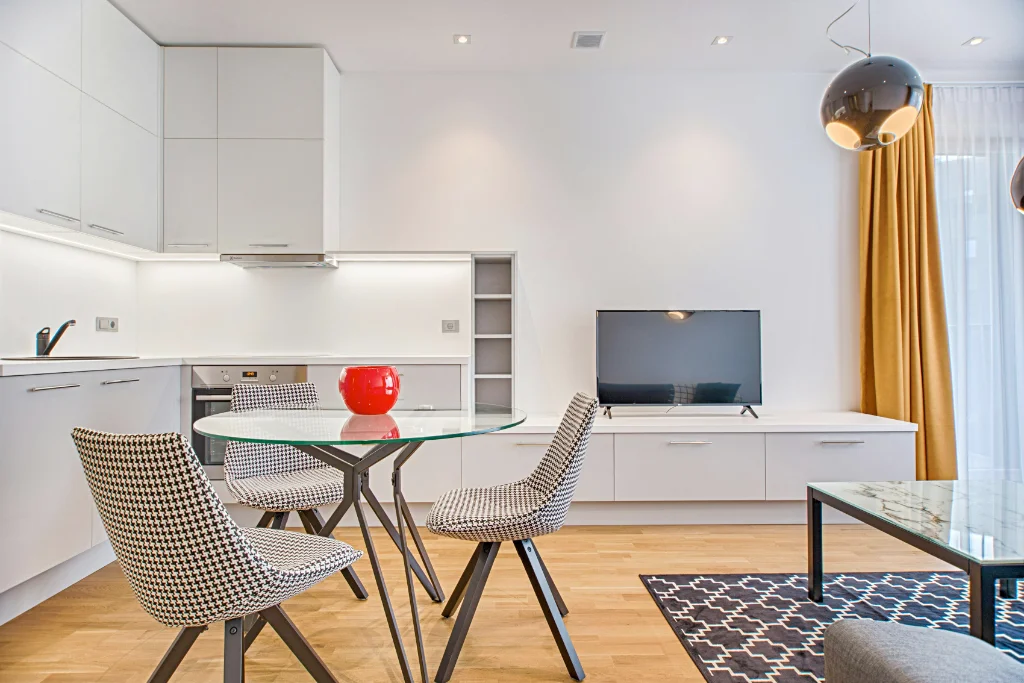
Modern builders are now constructing Gram Panchayat homes within complexes, offering residents amenities such as gardens, children's play areas, gyms, and, in some cases, swimming pools.
However, one challenge with Gram Panchayat homes is that not every bank and NBFC finance them due to unclear documentation and land not being converted into NA plots. This poses a hurdle in obtaining a loan for a Gram Panchayat property. This is where our expertise comes into play, as we specialize in securing loan approvals even for properties on non-NA plots or proposed NA plots.
Gram Panchayat Home Loan: Features, Benefits, Eligibility, Interest Rates, Foreclosure Charges, Processing Fees, Required Documents, Age Limit, Process, Tenure, Minimum Salary, and CIBIL Score
A Gram Panchayat Home Loan is a financial solution designed to help individuals in rural areas realize their dream of owning a home. In this article, we will discuss its features, benefits, eligibility criteria, interest rates, foreclosure charges, processing fees, required documents, age limits, loan application process, tenure options, minimum salary requirements, and minimum CIBIL score expectations.
Interest rates for Gram Panchayat Home Loans are designed to be affordable compared to standard unorganized lending options, helping borrowers repay their loans under comfortable financial terms.
Conclusion: Overall, a Gram Panchayat Home Loan serves as a practical financial path for individuals living in rural regions to build or purchase their homes. With competitive rates, streamlined processes, and low additional fees, it enables rural households to achieve homeownership with ease.
Yes. Many banks and housing finance companies provide home loans for Gram Panchayat properties, subject to property verification, legal documentation, income eligibility, and the lender's internal policies. Approval depends on successful verification and meeting all eligibility requirements.
You generally need identity proof, address proof, PAN card, Aadhaar card, income proof, salary slips or business income documents, bank statements, Gram Panchayat property documents, tax receipts, and any additional documents requested by the lender during verification.
The loan amount depends on your monthly income, repayment capacity, credit score, property valuation, existing financial obligations, and the lender's policies. The sanctioned amount is determined after evaluating your complete loan application.
Interest rates vary from lender to lender and depend on your credit score, loan amount, repayment tenure, income profile, and prevailing home loan rates. Comparing multiple lenders can help you find the most suitable option.
Yes. Salaried employees, self-employed professionals, business owners, and entrepreneurs can apply. Lenders assess your income stability, financial documents, business continuity, and repayment capacity before approving the loan.
The processing time depends on document verification, property evaluation, legal checks, and the lender's approval process. Submitting complete and accurate documents helps speed up the loan approval and disbursement process.